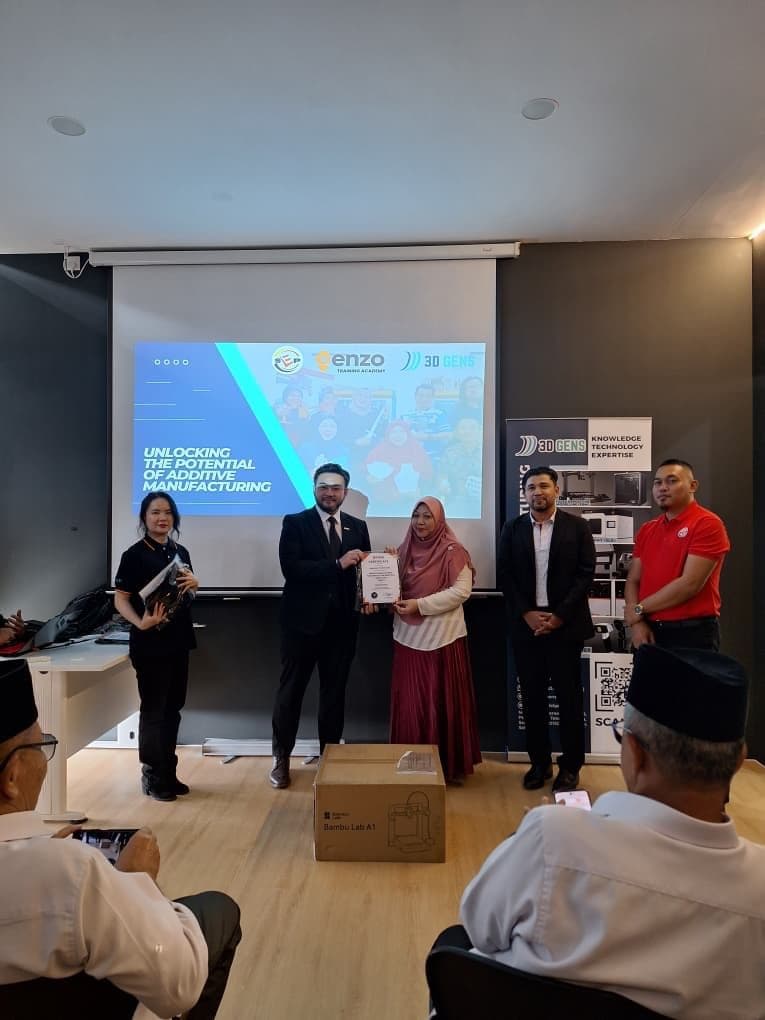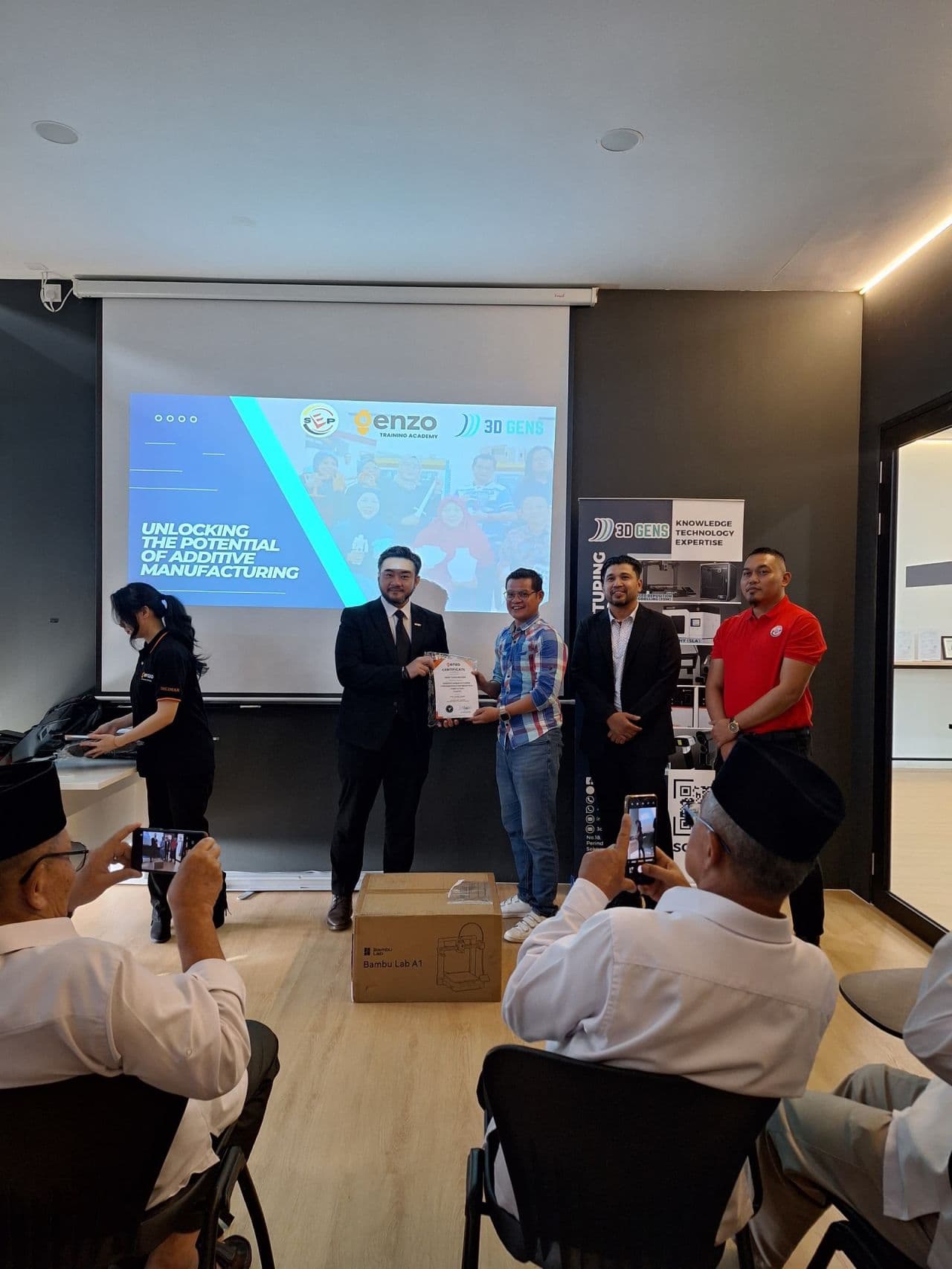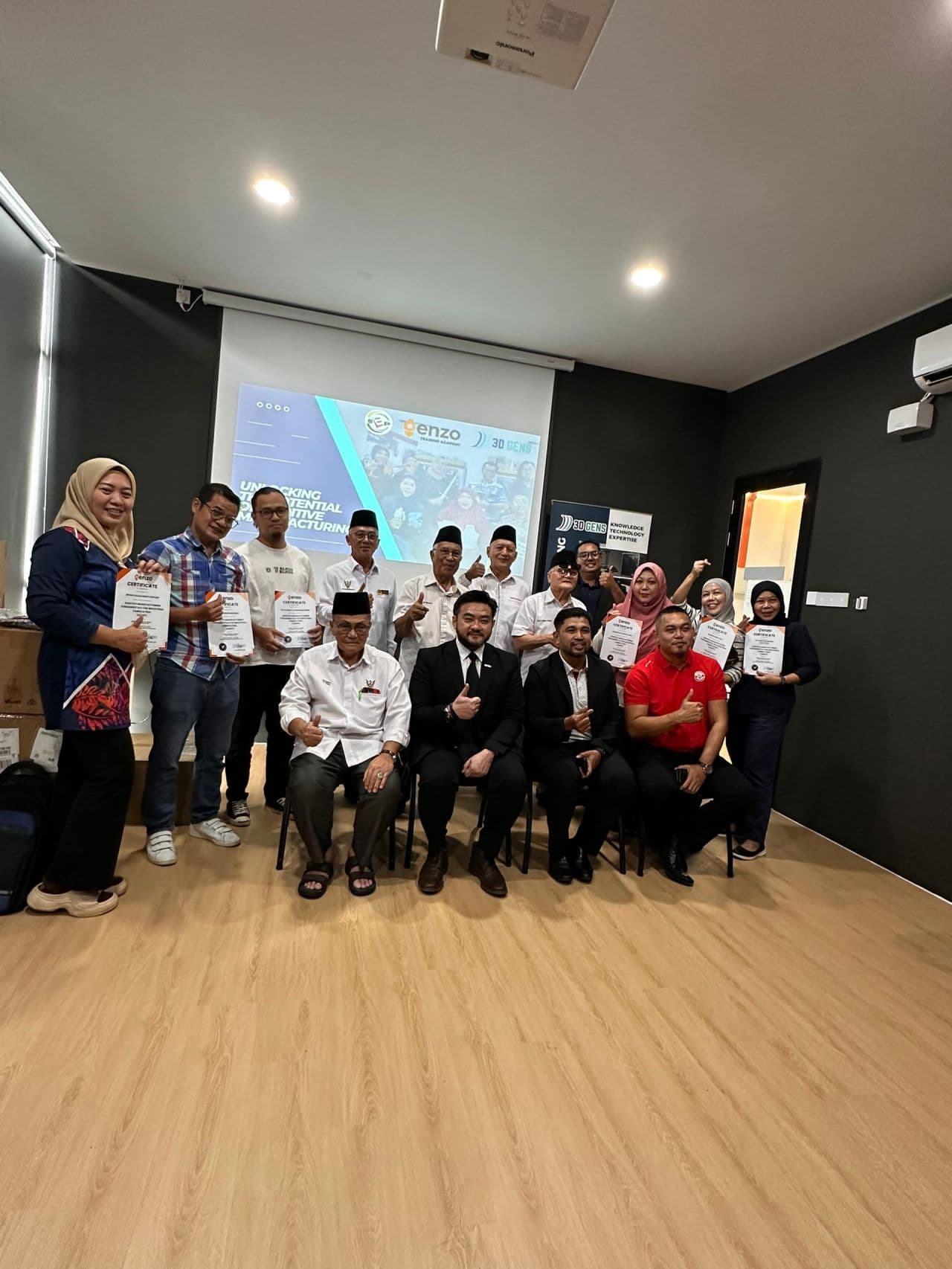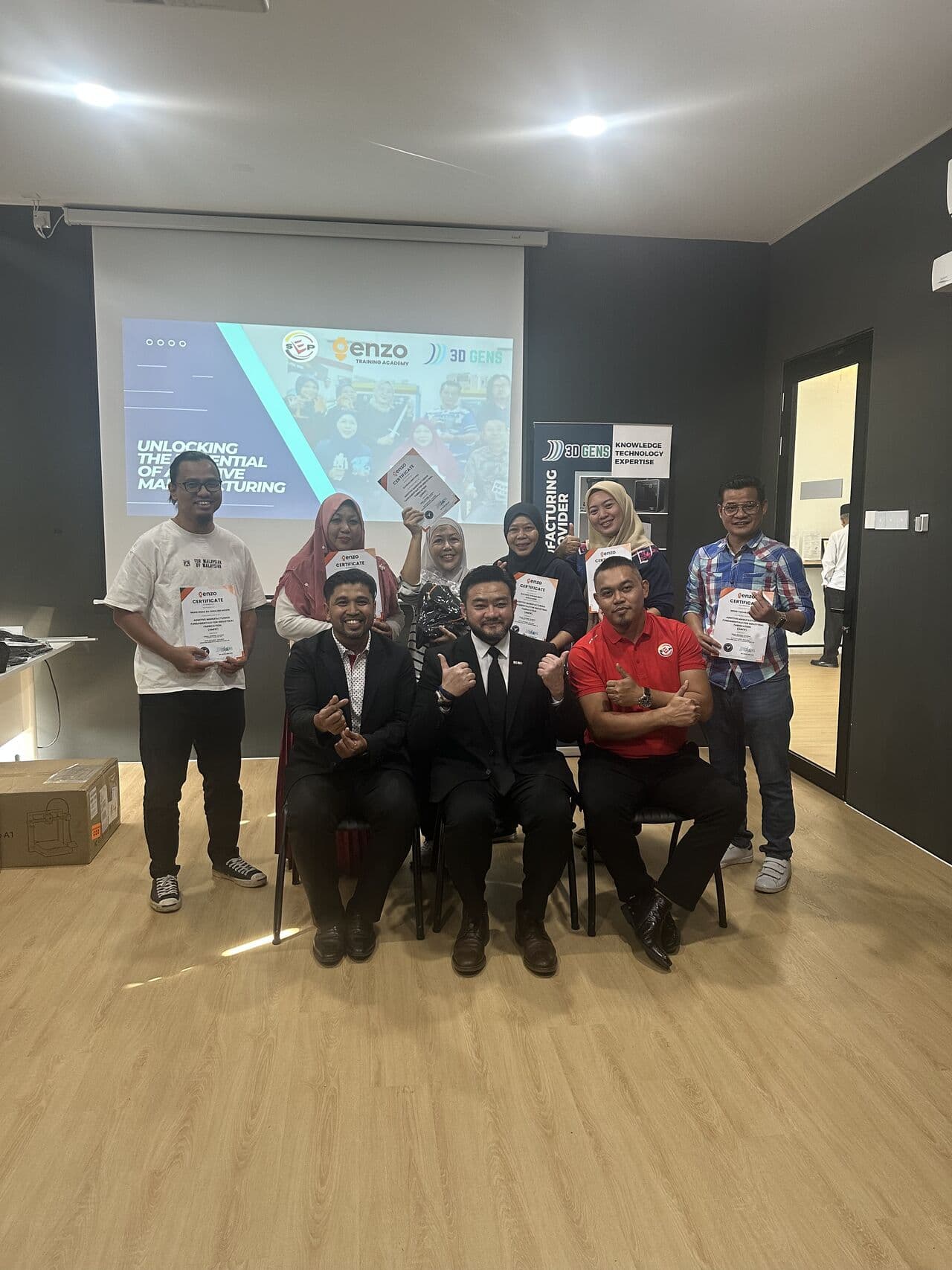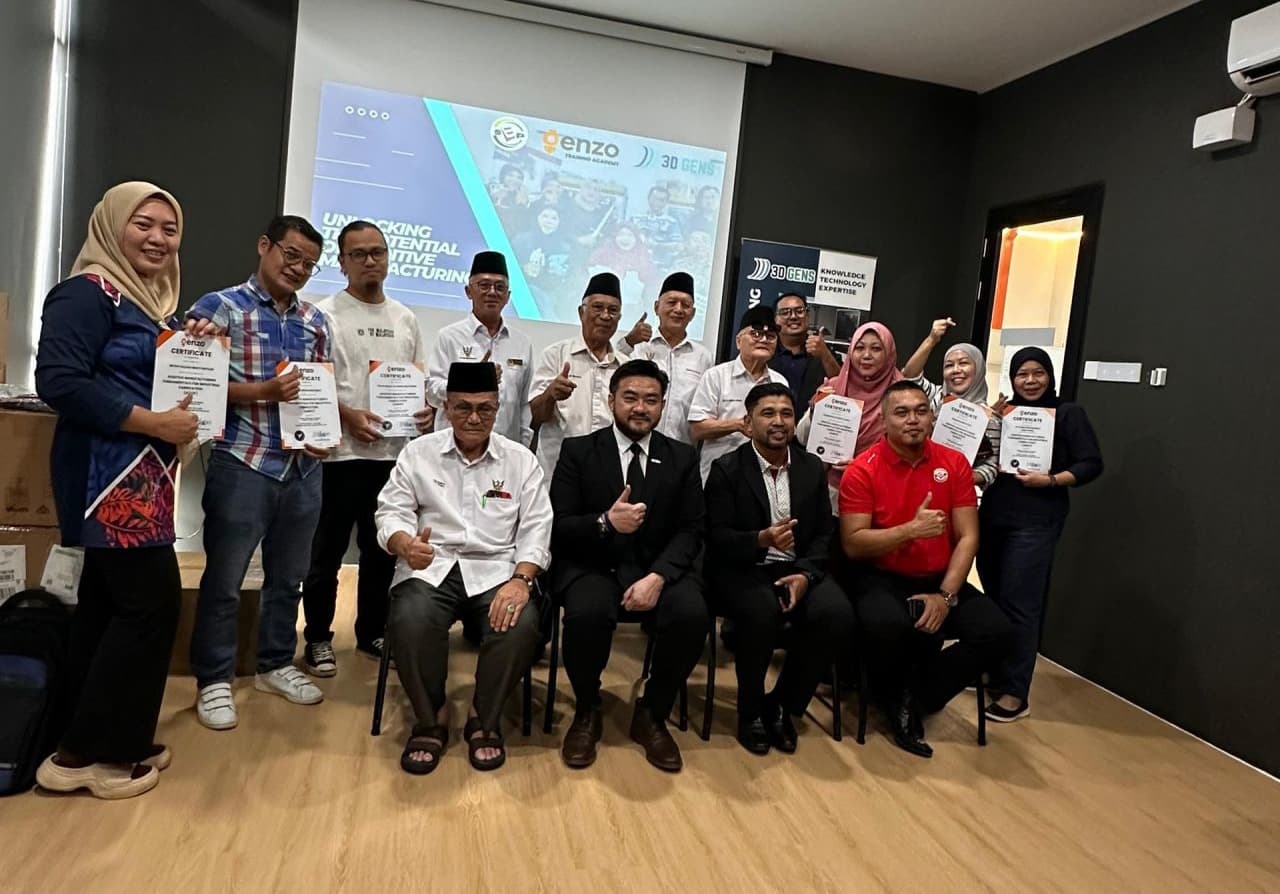
In an effort to broaden access to digital fabrication skills across Sarawak, 3D Gens recently completed a 3D printing training programme in partnership with the Sarawak Digital Economy Corporation (SDEC). The programme brought together participants spanning a wide range of age groups and educational backgrounds — a deliberate design choice that reflects the inclusive potential of additive manufacturing technology.
Training Across Generations
One of the most striking aspects of the programme was its participant diversity. From students just starting out to working adults and senior learners exploring new skills, the training environment demonstrated that digital manufacturing is not the exclusive domain of engineers or technology specialists. With the right instruction and accessible tools, people from any background can gain practical capability in 3D printing.
This inclusivity aligns with SDEC's mission to accelerate Sarawak's digital economy by equipping its people — all of its people — with skills relevant to the industries of the future.
Bridging Skills Gaps and Creating Opportunity
Digital fabrication has a particular power to bridge skills gaps in regions where traditional manufacturing infrastructure is limited. The ability to design and produce physical objects with a printer opens up opportunities that previously required significant capital investment and industrial access. For Sarawak's entrepreneurs, educators, and industry practitioners, this represents real economic potential.
Strategic Visit to Sarawak Skills
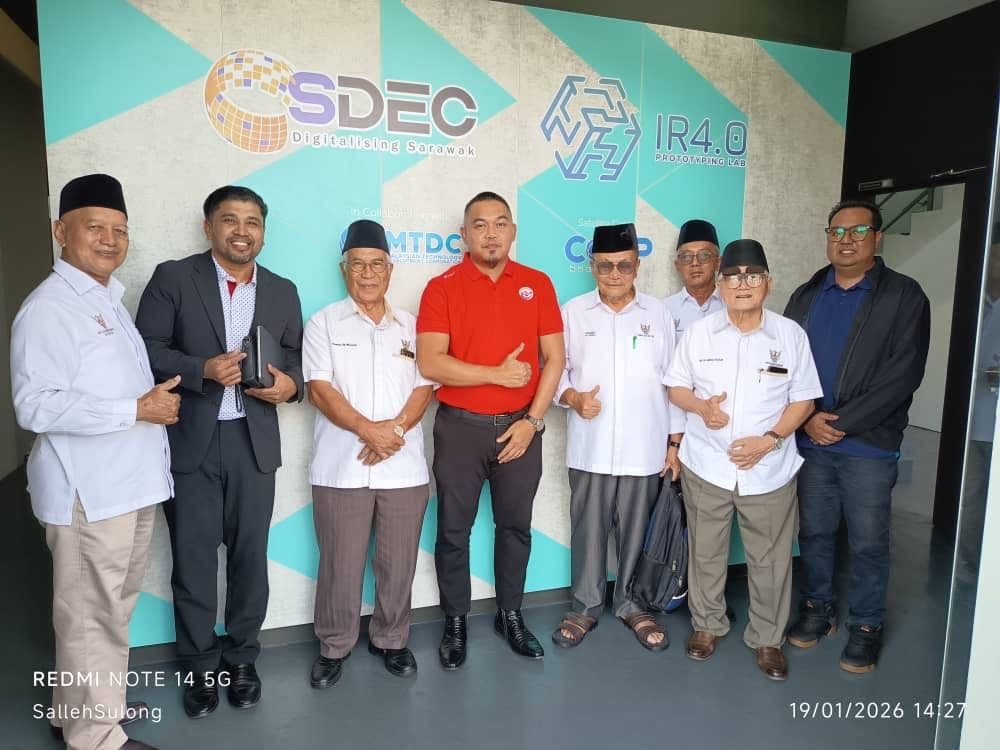
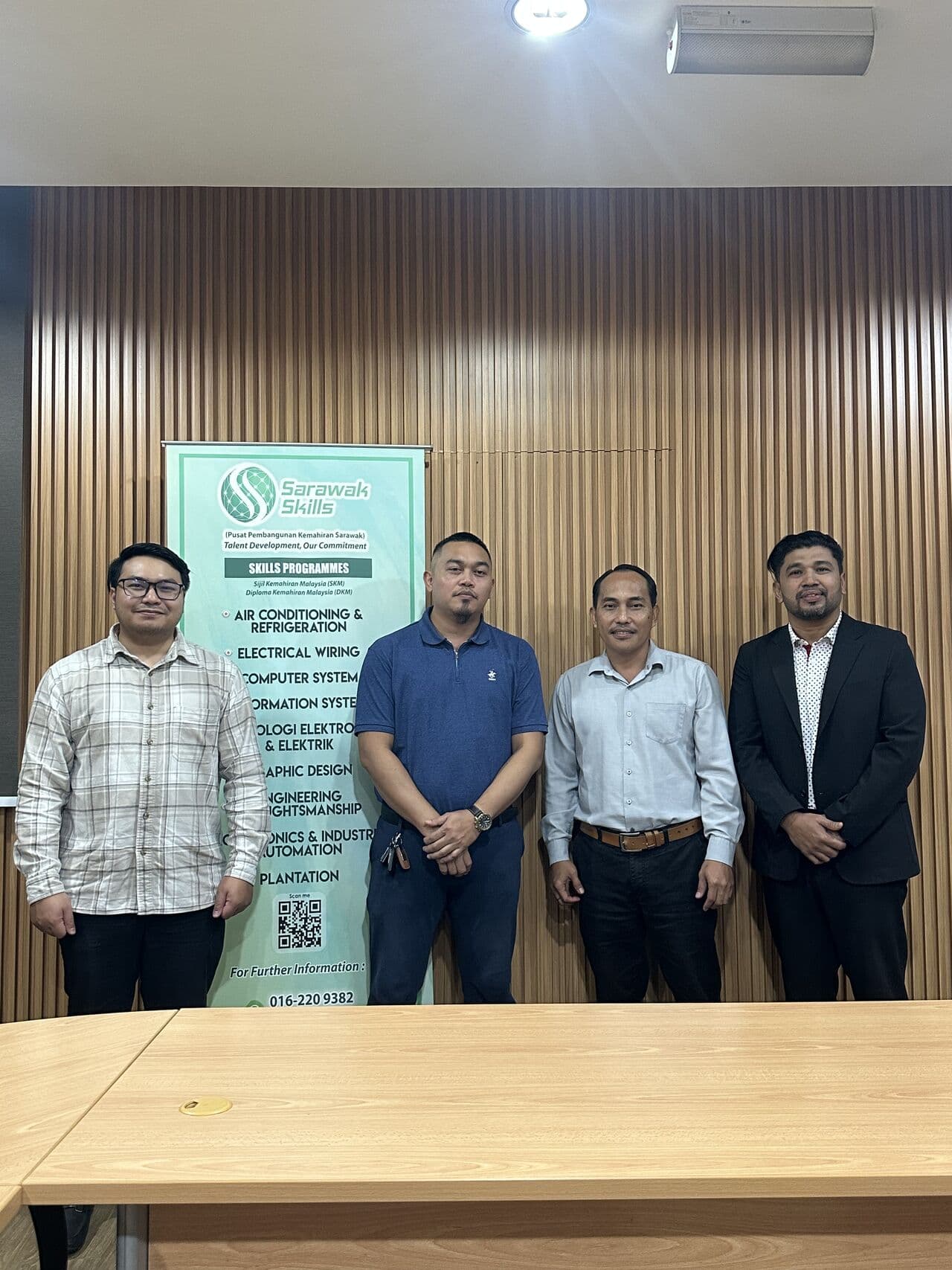
Alongside the SDEC training programme, the 3D Gens team visited Sarawak Skills to explore strategic partnerships in digital technology transfer, training, and capacity building. The discussions centred on how both organisations can collaborate on initiatives that strengthen local talent development and accelerate Industry 4.0 adoption in East Malaysia.
The interest from institutions like Sarawak Skills signals a growing recognition that additive manufacturing competency is becoming a foundational skill for the modern workforce — and that building that competency requires coordinated effort between government, industry, and training providers.