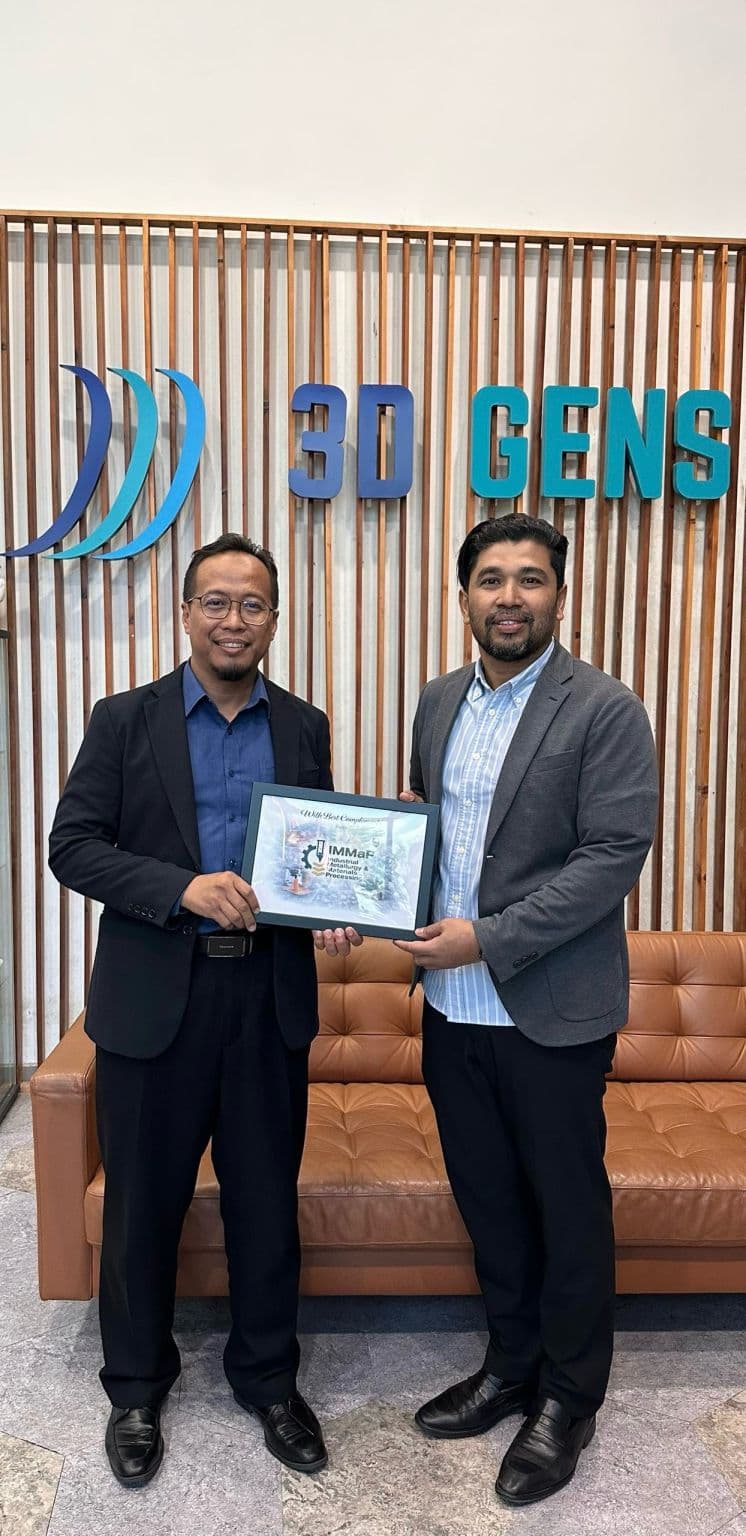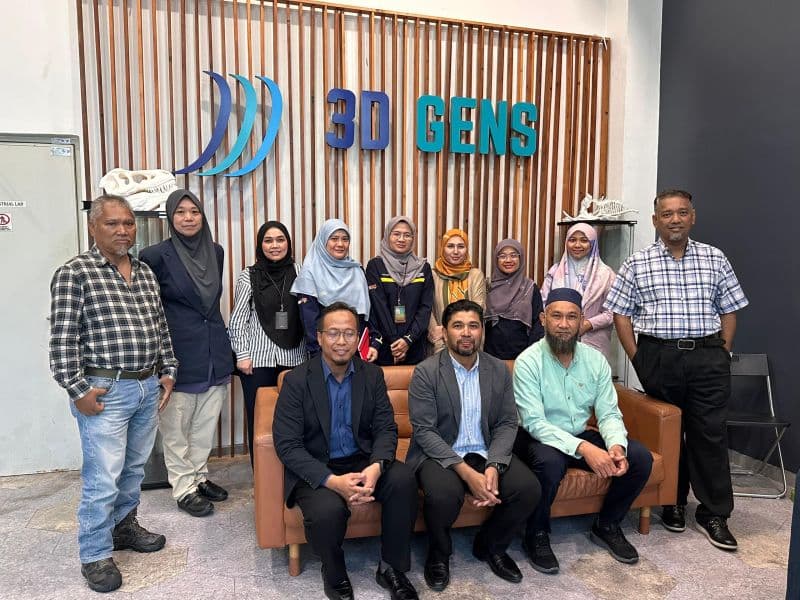
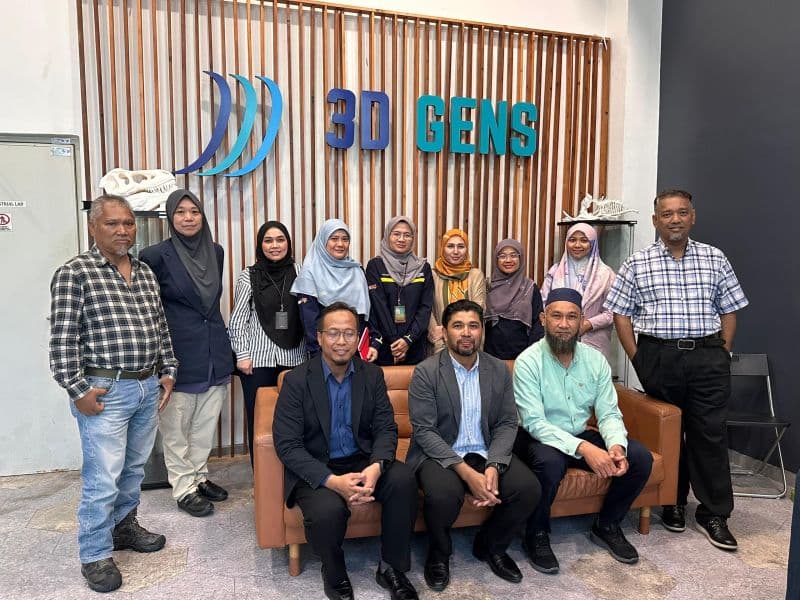
3D Gens recently hosted the Institute of Metal (Alloy) Microstructure and Process (IMMaP) from Universiti Teknologi MARA (UiTM) for an inaugural visit to its additive manufacturing facility. The visit opened a conversation around strategic collaboration in metallurgy, material processing, and the application of additive manufacturing as a platform for applied research and industrial translation.
Exploring the Intersection of Metallurgy and Additive Manufacturing
IMMaP UiTM brings deep expertise in metal alloy microstructure and processing — areas that are directly relevant to the advancement of metal additive manufacturing. When materials science meets AM process knowledge, it creates opportunities to develop better feedstocks, improve part properties, and unlock new applications that neither party could pursue alone.
The discussions during the visit explored how both organisations could co-develop research directions, share equipment access, and contribute to knowledge that bridges the lab and the production floor.
Academia and Industry Co-Creating Solutions
At 3D Gens, the belief is that sustainable innovation happens when academia and industry work together, not in parallel. Laboratories produce insights; production environments expose the constraints and requirements that turn those insights into real solutions. Collaboration between the two creates a feedback loop that accelerates both research quality and industrial readiness.
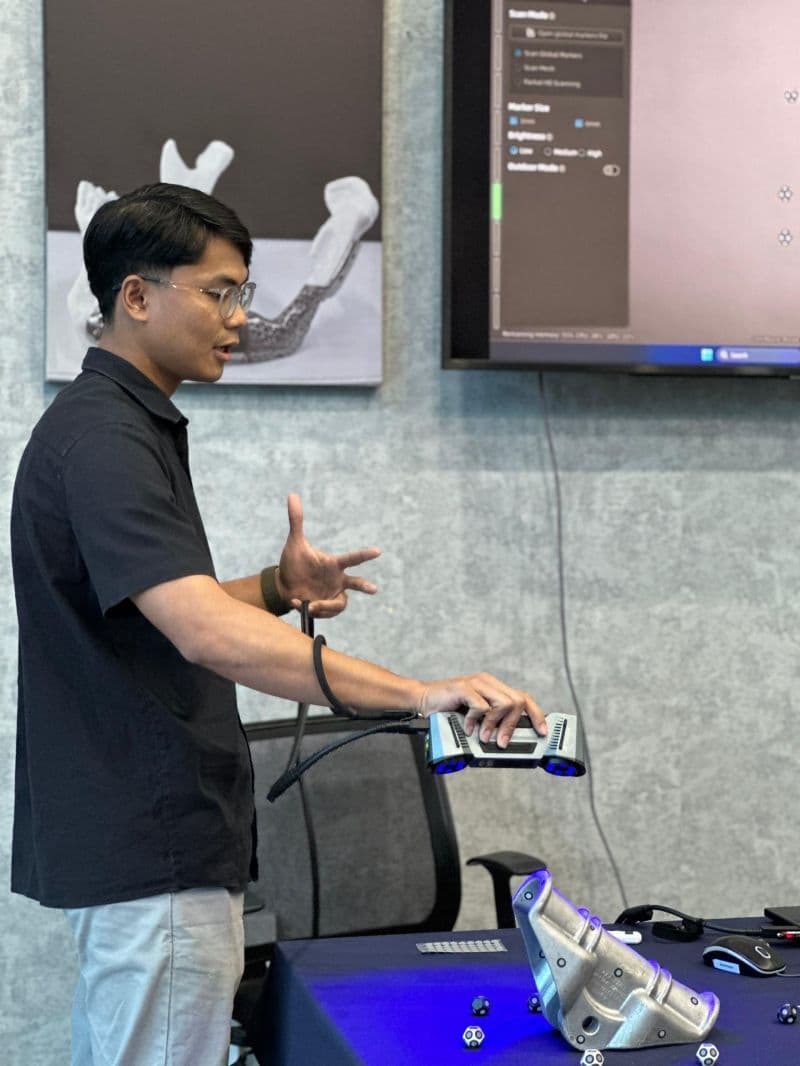
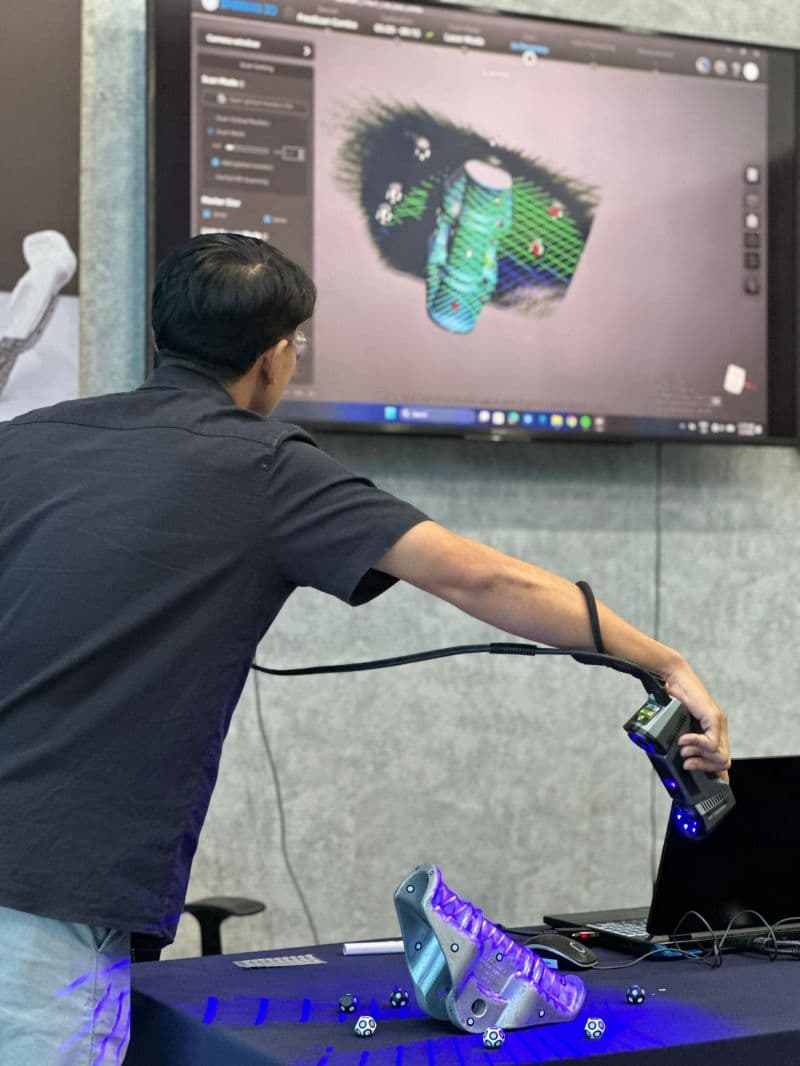
The IMMaP team's first visit to the 3D Gens facility gave them direct exposure to operational metal printing systems, post-processing workflows, and quality assurance practices. For a research group working on alloy development and microstructure characterisation, understanding these downstream realities sharpens the relevance of upstream research.
Next Steps
The visit laid the groundwork for an ongoing relationship that both parties are keen to develop further. Potential areas of collaboration include joint research on AM-specific alloy behaviour, material characterisation support, and curriculum development drawing on real industrial case studies.